www.uitgedu.com | 自然英语拼读 | KET | PET | 英语点读学习资料
Deep Integration of Information Technology in K12 Education: A Transformative Journey
November 07, 2025
A New Dawn in the Classroom
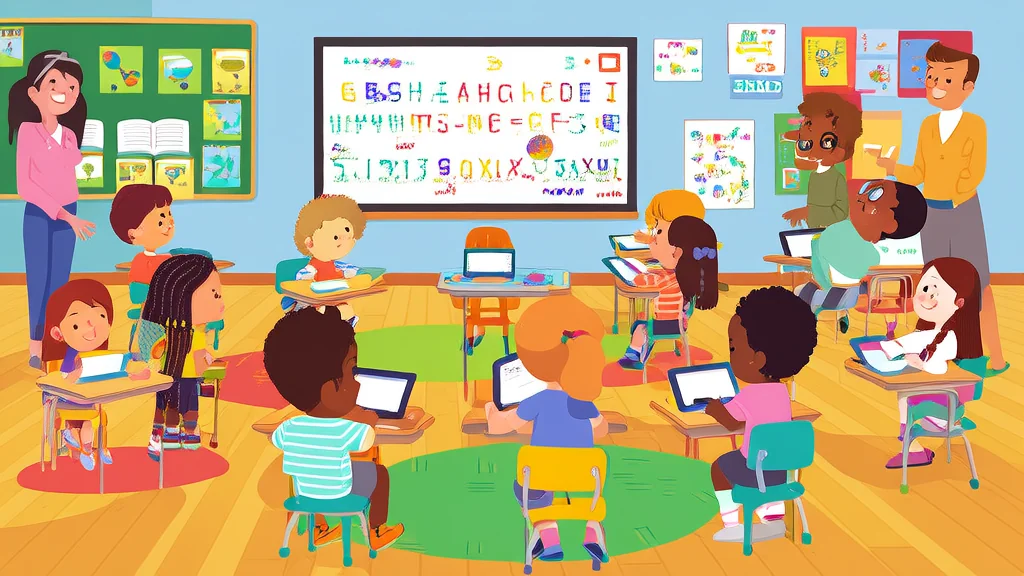
It was a crisp autumn morning when I walked into Mrs. Thompson's 8th-grade science class at Maplewood Middle School. The room was abuzz with energy, and for a moment, I wondered if I had stumbled into a tech conference rather than a classroom. Students were huddled around tablets, engaged in a virtual reality simulation of the human circulatory system. One student, Emily, was using an augmented reality app to explore the layers of the Earth, while another group was collaborating on a digital project board, sharing ideas and resources in real-time. The traditional chalkboard and textbooks were still present, but they now shared the spotlight with a myriad of technological tools that were transforming the learning experience.
Mrs. Thompson, a veteran teacher with over two decades of experience, was navigating this new landscape with grace and enthusiasm. She had seen the evolution of education from the days of overhead projectors to the current era of interactive whiteboards and cloud-based learning platforms. As she moved around the room, facilitating discussions and providing feedback, it was clear that the integration of information technology was not just a trend but a fundamental shift in how students learn and teachers teach.
The Power of Personalization
One of the most significant benefits of integrating information technology in K12 education is the ability to personalize learning. In the past, teachers often had to deliver a one-size-fits-all curriculum, which could leave some students behind and others unchallenged. With the advent of adaptive learning platforms, students can now progress at their own pace, receiving tailored content and support based on their individual needs and abilities.
For example, a student who struggles with reading comprehension can use text-to-speech software to have passages read aloud, while a gifted student can access advanced materials and projects to keep them engaged. This level of personalization not only enhances academic performance but also boosts student confidence and motivation. Research has shown that personalized learning can lead to higher achievement scores and improved attitudes toward learning (Pane et al., 2017).
Enhancing Collaboration and Communication
Another transformative aspect of information technology in education is its ability to enhance collaboration and communication among students and between students and teachers. Digital tools such as Google Workspace, Microsoft Teams, and other collaborative platforms allow students to work together on projects, share documents, and provide feedback in real-time. This not only fosters a sense of community and teamwork but also prepares students for the collaborative nature of the modern workforce.
Moreover, these tools enable teachers to provide more frequent and meaningful feedback. For instance, a teacher can use a digital platform to track a student's progress, offer immediate feedback, and adjust instruction accordingly. This ongoing dialogue between teacher and student can be incredibly powerful in helping students understand their strengths and areas for improvement.
Expanding Access to Resources
Information technology has also expanded access to a wealth of educational resources that were once limited to physical libraries and textbooks. Today, students can access a vast array of online databases, e-books, and multimedia content that can enrich their learning experience. For example, a history student can watch a documentary on the American Revolution, read primary source documents, and even take a virtual tour of historical sites—all from the comfort of their classroom or home.
This expansion of resources is particularly beneficial for schools in under-resourced communities, where physical resources may be limited. By leveraging digital tools, these schools can provide their students with the same high-quality educational materials as their more affluent counterparts, helping to bridge the achievement gap.
Preparing for the Future
Perhaps the most compelling reason for the deep integration of information technology in K12 education is the need to prepare students for the future. In an increasingly digital world, proficiency in technology is no longer a luxury but a necessity. Students need to develop not only the technical skills to use various digital tools but also the critical thinking, problem-solving, and digital literacy skills that will serve them well in their future careers.
For example, coding and computational thinking are becoming essential skills in many fields, from healthcare to finance. By incorporating coding and robotics into the curriculum, schools can help students develop these skills early on. Additionally, exposure to emerging technologies such as artificial intelligence, blockchain, and data analytics can give students a competitive edge in the job market and prepare them for the challenges and opportunities of the 21st century.
Practical Applications: Bringing IT to Life in the Classroom
While the benefits of integrating information technology in K12 education are clear, the practical implementation can sometimes be challenging. Here are some actionable insights for parents and educators to make the most of these tools:
1. Start Small and Build Gradually: Introducing too many new technologies at once can be overwhelming for both teachers and students. Instead, start with a few key tools and gradually expand your use of technology as you become more comfortable. For example, begin by using a digital platform for homework assignments and then gradually incorporate more interactive tools like virtual simulations and collaborative projects.
2. Provide Professional Development: Teachers need ongoing training and support to effectively integrate technology into their teaching. Schools should invest in professional development programs that help teachers build their digital skills and stay up-to-date with the latest tools and best practices. This can include workshops, webinars, and peer mentoring programs.
3. Foster a Culture of Innovation: Encourage a culture of experimentation and innovation in the classroom. Allow students to explore different technologies and find creative ways to apply them to their learning. For example, you might challenge students to create a digital portfolio of their work or to design a multimedia presentation on a topic of interest. By giving students the freedom to experiment, you can help them develop a deeper understanding of the subject matter and a greater appreciation for the power of technology.
Conclusion: A Brighter Future for Education
The deep integration of information technology in K12 education is not just a passing trend; it is a transformative force that is reshaping the way we teach and learn. From personalized learning and enhanced collaboration to expanded access to resources and preparation for the future, the benefits are clear and far-reaching. As educators and parents, it is our responsibility to embrace these tools and use them to create a more engaging, inclusive, and effective learning environment for all students.
As I left Mrs. Thompson's classroom that day, I couldn't help but feel a sense of optimism and excitement for the future of education. The students were not just learning; they were exploring, creating, and connecting in ways that would have been unimaginable just a few years ago. And as I watched them, I knew that they were not just preparing for the future; they were already living it.