www.uitgedu.com | 自然英语拼读 | KET | PET | 英语点读学习资料
Educational Support for Children with Special Needs: A Journey of Inclusion and Empowerment
November 09, 2025
It was a crisp autumn morning when I first met Jamie. The sun was just beginning to peek through the trees, casting a warm glow over the playground. Jamie, a bright-eyed 8-year-old with a mop of curly hair, was sitting alone on a bench, his eyes fixed on the ground. His mother, Sarah, stood nearby, her face a mix of hope and worry. Jamie had recently been diagnosed with autism, and this was his first day at a new school that promised to provide the support he needed. As I approached, Sarah shared her concerns: "I want Jamie to feel included, to learn, and to be happy. But I'm not sure how to make that happen." Her words resonated deeply, and they set the stage for a journey that would change not only Jamie's life but also the lives of many others in our community.
The Importance of Inclusive Education
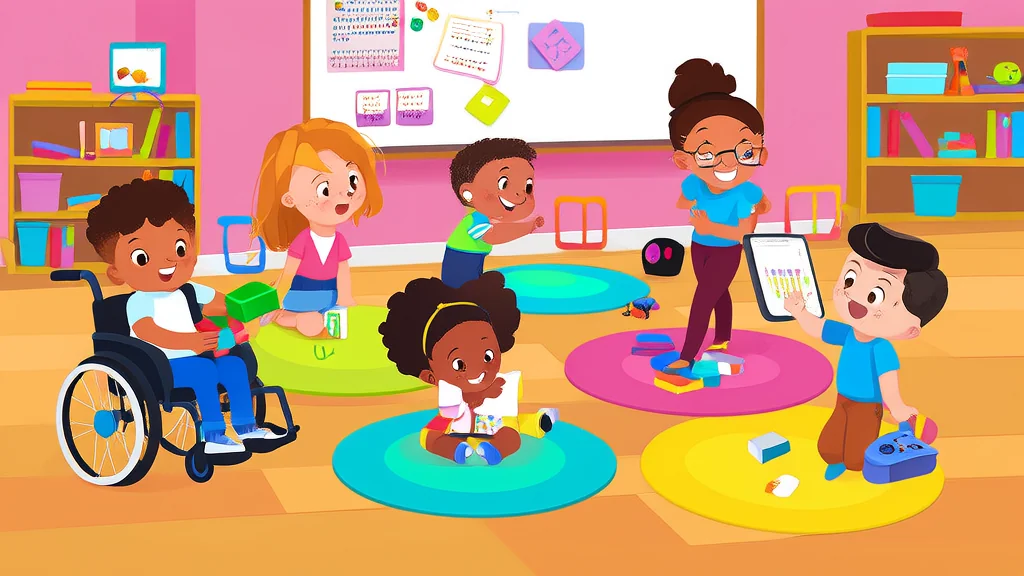
Inclusive education is more than just a buzzword; it is a fundamental principle that ensures every child, regardless of their abilities or disabilities, has the opportunity to learn and grow in a supportive environment. Research has consistently shown that inclusive classrooms benefit all students, fostering empathy, understanding, and a sense of community. For children with special needs, such as Jamie, inclusion means having access to the same educational opportunities as their peers, with the necessary supports and accommodations to help them succeed.
One of the key benefits of inclusive education is the social and emotional development it fosters. When children with special needs are integrated into mainstream classrooms, they have the chance to form meaningful relationships with their peers, which can boost their self-esteem and social skills. Moreover, these interactions help to break down stereotypes and promote a more inclusive society. For example, a study by the National Center for Learning Disabilities found that students in inclusive classrooms demonstrated higher levels of academic achievement and better social skills compared to those in segregated settings.
Understanding the Spectrum of Special Needs
Special needs encompass a wide range of conditions, from learning disabilities and attention deficit hyperactivity disorder (ADHD) to autism spectrum disorder (ASD) and physical impairments. Each condition presents unique challenges and requires tailored support. For instance, a child with dyslexia may need additional time to complete reading assignments and access to assistive technology, while a child with ADHD might benefit from a structured routine and frequent breaks to manage their focus and energy levels.
Autism, like Jamie's, is a particularly complex condition. It affects communication, social interaction, and behavior, and each child with autism has a unique set of strengths and challenges. Some may excel in specific areas, such as math or music, while struggling with social cues and sensory processing. Understanding these nuances is crucial for educators and parents to provide the right kind of support. For example, a child with autism might benefit from visual schedules, clear and consistent routines, and a quiet, predictable environment to reduce anxiety and enhance learning.
The Role of Individualized Education Plans (IEPs)
One of the most effective tools for supporting children with special needs is the Individualized Education Plan (IEP). An IEP is a legally binding document that outlines the specific educational goals, services, and accommodations a child needs to succeed in school. It is developed collaboratively by a team that includes parents, teachers, and specialists, ensuring that the plan is tailored to the child's unique needs and strengths.
For Jamie, his IEP included a variety of supports, such as a one-on-one aide to help him navigate the classroom, speech therapy to improve his communication skills, and occupational therapy to address his sensory sensitivities. These supports were designed to help Jamie feel more comfortable and engaged in the learning process, allowing him to reach his full potential. Regular reviews and adjustments to the IEP ensured that it remained relevant and effective as Jamie's needs evolved.
Collaboration and Communication: The Key to Success
Effective collaboration and communication among all stakeholders—parents, teachers, therapists, and administrators—are essential for the success of any educational support plan. Parents, in particular, play a critical role in advocating for their children and providing valuable insights into their needs and preferences. Teachers, on the other hand, must be open to feedback and willing to adapt their teaching methods to meet the diverse needs of their students.
For example, Sarah, Jamie's mother, was an active participant in his IEP meetings. She shared her observations and concerns, and together with the school team, they brainstormed solutions and strategies to support Jamie's learning. This collaborative approach not only strengthened the IEP but also built a strong, trusting relationship between the family and the school. Regular check-ins and updates kept everyone on the same page, ensuring that Jamie's progress was continuously monitored and supported.
Practical Applications: Strategies for Inclusive Classrooms
Creating an inclusive classroom environment requires intentional planning and a commitment to meeting the needs of all students. Here are some practical strategies that educators can implement to support children with special needs:
Universal Design for Learning (UDL): UDL is a framework that aims to improve and optimize teaching and learning for all students. It involves providing multiple means of representation (how information is presented), expression (how students demonstrate what they know), and engagement (how students are motivated and involved). For example, using a variety of instructional materials, such as videos, diagrams, and hands-on activities, can help students with different learning styles and needs to engage with the content.
Positive Behavior Interventions and Supports (PBIS): PBIS is a proactive approach to improving school climate and student behavior. It focuses on teaching and reinforcing positive behaviors, rather than simply punishing negative ones. For children with special needs, PBIS can be particularly effective in creating a safe and supportive environment. For instance, establishing clear and consistent rules, providing positive reinforcement for good behavior, and offering individualized behavior plans can help students like Jamie develop the skills they need to succeed.
Technology and Assistive Tools: Technology can be a powerful tool for supporting students with special needs. Assistive technologies, such as text-to-speech software, graphic organizers, and adaptive keyboards, can help level the playing field and provide equal access to learning. For example, a child with dyslexia might use text-to-speech software to read aloud written material, while a child with fine motor difficulties might use an adaptive keyboard to type more easily. Integrating these tools into the classroom can make a significant difference in a student's ability to participate and succeed.
Conclusion: A Path Forward
As I watched Jamie on that first day, I knew that the journey ahead would be filled with both challenges and triumphs. Over the years, I have seen him grow and thrive, thanks to the dedicated efforts of his family, teachers, and the broader school community. His story is a testament to the power of inclusive education and the importance of providing the right support and accommodations for children with special needs.
For parents and educators, the key takeaways are clear: understand the unique needs of each child, collaborate and communicate effectively, and implement evidence-based strategies to create an inclusive and supportive learning environment. By doing so, we can ensure that every child, like Jamie, has the opportunity to learn, grow, and reach their full potential. Together, we can build a brighter future for all students, one where every child feels valued, included, and empowered to succeed.