Opening Story
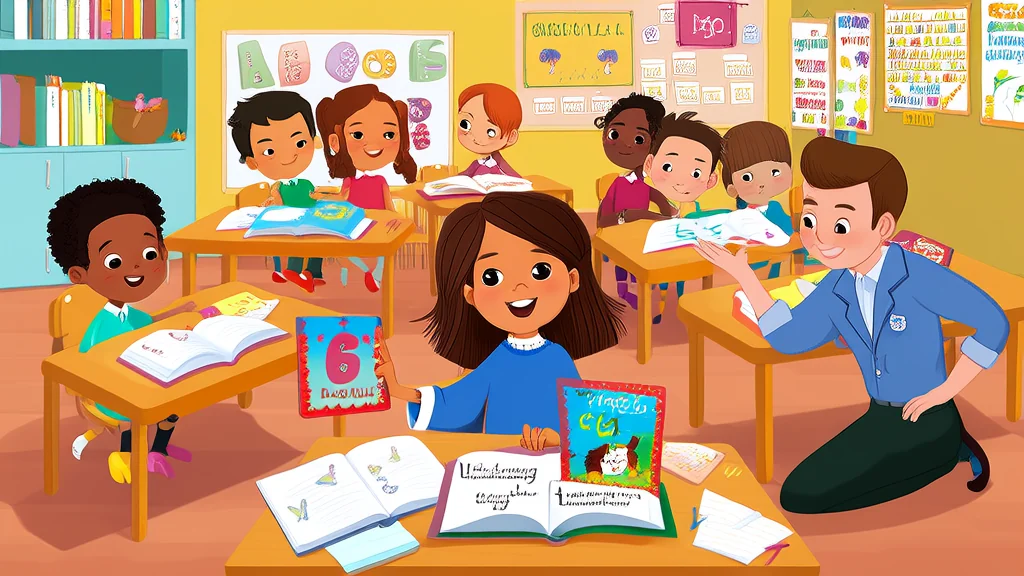
It was a crisp autumn morning in the bustling city of Madrid, and Maria, a 10-year-old student, was eagerly preparing for her first day at a new bilingual school. Her parents had recently moved to Spain from Brazil, and they were determined to ensure that Maria not only mastered Spanish but also retained her native Portuguese. As she walked through the school gates, Maria felt a mix of excitement and nervousness. She knew that this new chapter would be filled with challenges, but she was also excited about the opportunities it presented.
During her first week, Maria found herself struggling to keep up with her classmates in Spanish, while also feeling the pressure to maintain her proficiency in Portuguese. Her parents, who were both fluent in multiple languages, understood the importance of balancing these two linguistic worlds. They wanted Maria to embrace her new environment without losing touch with her roots. This delicate balance between learning a new language and preserving one's native tongue is a common challenge faced by many families and educators around the world. It’s a journey that requires careful planning, support, and a deep understanding of the complexities involved.
Professional Analysis
The Importance of Native Language Maintenance
Maintaining a child’s native language is crucial for several reasons. First and foremost, it helps preserve cultural identity. A child’s native language is often a key component of their heritage, connecting them to their family, community, and history. For Maria, speaking Portuguese is not just about communication; it’s about staying connected to her Brazilian roots. Research has shown that children who maintain their native language tend to have a stronger sense of self and are more likely to develop a positive cultural identity.
Additionally, maintaining the native language can have cognitive benefits. Bilingualism, or the ability to speak two languages, has been linked to enhanced executive function, including better problem-solving skills, memory, and attention. These cognitive advantages can translate into academic success and improved social interactions. For Maria, being proficient in both Portuguese and Spanish could provide her with a cognitive edge, making her more adaptable and versatile in her learning and social environments.
The Benefits of Learning a Foreign Language
Learning a foreign language, such as Spanish for Maria, offers its own set of benefits. It opens up new opportunities for communication and understanding, allowing children to connect with a broader range of people and cultures. In a globalized world, being multilingual is an increasingly valuable skill. It can lead to better job prospects, increased cultural awareness, and a more inclusive worldview.
Moreover, learning a new language can enhance a child’s overall academic performance. Studies have shown that students who study a foreign language tend to perform better in other subjects, particularly in reading, writing, and mathematics. The process of learning a new language involves critical thinking, pattern recognition, and memory skills, all of which are transferable to other areas of learning. For Maria, mastering Spanish could help her excel in her other subjects and prepare her for future academic and professional challenges.
The Challenges of Balancing Both Languages
While the benefits of maintaining a native language and learning a new one are clear, the process of balancing both can be challenging. One of the main challenges is the potential for language attrition, where a child may start to lose proficiency in their native language as they become more immersed in the new language. This can be particularly problematic if the new language is dominant in the child’s environment, such as in Maria’s case, where Spanish is the primary language at school and in the community.
Another challenge is the time and effort required to maintain both languages. Children, especially those in K-12 education, have limited time and energy. Balancing the demands of school, extracurricular activities, and family life can make it difficult to find the time to practice and improve in both languages. Parents and educators must be strategic in how they allocate resources and support to ensure that both languages receive the necessary attention.
Strategies for Successful Language Balance
To successfully balance native and foreign language learning, it is essential to create a supportive and structured environment. For Maria, this means having a consistent routine that includes regular practice in both Portuguese and Spanish. At home, her parents can set aside specific times for Portuguese, such as reading books, watching movies, or engaging in conversations. At school, Maria’s teachers can incorporate activities that reinforce both languages, such as bilingual storytime or language exchange programs.
Another effective strategy is to leverage technology and community resources. There are numerous apps, online platforms, and community groups that can provide additional support and practice opportunities. For example, Maria could use language learning apps like Duolingo or Babbel to practice Spanish, while also participating in Portuguese-speaking clubs or events in her community. These resources can help bridge the gap between formal education and everyday language use, making the learning process more engaging and effective.
The Role of Parents and Educators
Parents and educators play a crucial role in supporting children in their language learning journey. For parents, this means being actively involved in their child’s language development. They can create a language-rich environment at home, read books, and engage in conversations in both languages. Additionally, parents can seek out resources and support networks, such as language classes, tutors, or community groups, to provide additional practice and reinforcement.
Educators, on the other hand, can implement strategies in the classroom to support both native and foreign language learning. This can include using bilingual materials, providing opportunities for language practice, and creating a culturally inclusive environment. Teachers can also work closely with parents to ensure that the child’s language needs are met both at home and at school. By collaborating and sharing resources, parents and educators can create a comprehensive and supportive language learning experience for the child.
Practical Applications
Creating a Language-Rich Home Environment
For parents, creating a language-rich home environment is a practical way to support their child’s language learning. This can involve setting aside specific times for language practice, such as reading books, watching movies, or engaging in conversations in both languages. For example, Maria’s parents could designate certain days of the week for Portuguese, where they read Portuguese books, watch Portuguese movies, and have conversations in Portuguese. On other days, they can focus on Spanish, ensuring that both languages receive equal attention.
Another effective strategy is to make language learning a part of everyday activities. For instance, Maria’s parents can label items around the house in both Portuguese and Spanish, or they can play language games during family time. These simple, everyday activities can help reinforce language skills and make the learning process more enjoyable and natural.
Incorporating Bilingual Education in the Classroom
For educators, incorporating bilingual education in the classroom is a powerful way to support students in their language learning. This can include using bilingual materials, such as books, worksheets, and educational videos, to provide exposure to both languages. Teachers can also create opportunities for language practice, such as language exchange programs, where students can practice speaking with peers who are fluent in the other language.
Additionally, teachers can create a culturally inclusive environment that celebrates diversity and encourages students to share their language and cultural experiences. For example, Maria’s teacher could organize a “Language Day” where students can present their native languages and cultures, or they can incorporate multicultural literature and stories into the curriculum. These activities not only support language learning but also foster a sense of community and belonging among students.
Utilizing Technology and Community Resources
Technology and community resources can be valuable tools in supporting language learning. There are numerous apps, online platforms, and community groups that can provide additional practice and reinforcement. For example, Maria could use language learning apps like Duolingo or Babbel to practice Spanish, while also participating in Portuguese-speaking clubs or events in her community. These resources can help bridge the gap between formal education and everyday language use, making the learning process more engaging and effective.
Parents and educators can also seek out local libraries, cultural centers, and community organizations that offer language classes, workshops, and events. These resources can provide additional support and opportunities for language practice, as well as a sense of community and connection. By leveraging these resources, parents and educators can create a comprehensive and supportive language learning experience for the child.
Conclusion
Balancing native and foreign language learning is a complex but rewarding journey. For Maria and many other children, it is a path that requires careful planning, support, and a deep understanding of the importance of both languages. By maintaining her native Portuguese and learning Spanish, Maria is not only gaining valuable language skills but also developing a strong sense of cultural identity and cognitive flexibility.
Parents and educators play a crucial role in this process, creating a supportive and structured environment that fosters both native and foreign language learning. Through a combination of home-based activities, classroom strategies, and community resources, they can help children like Maria achieve a balanced and enriching language learning experience. As we continue to navigate the complexities of language learning, let us remember the power of language to connect, inspire, and empower our children for a bright and diverse future.