www.uitgedu.com | 自然英语拼读 | KET | PET | 英语点读学习资料
A New Dawn in Learning: How Innovative Concepts Are Reshaping K12 Education
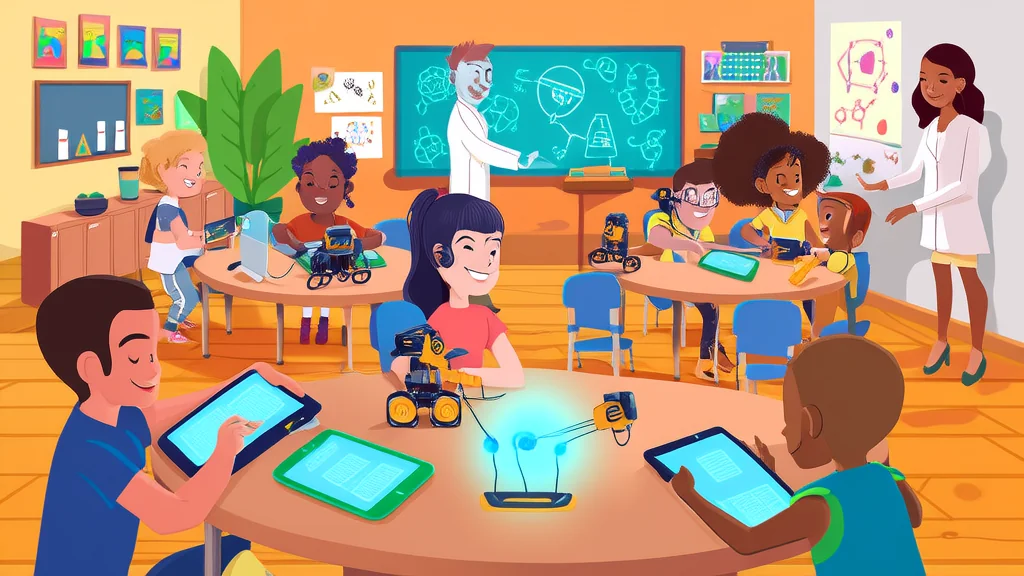
It was a crisp autumn morning when I first stepped into the bustling halls of Greenfield Middle School. The air was filled with the usual chatter, but there was something different about the atmosphere. As I walked through the corridors, I noticed that the traditional classroom setup had been replaced with flexible learning spaces. In one corner, students were huddled around a large interactive screen, collaborating on a project. In another, a group was engaged in a hands-on science experiment, their faces lit up with curiosity and excitement. This wasn't just any school; it was a place where innovative educational concepts were being put into practice, and the results were nothing short of transformative.
Greenfield Middle School had embraced a new approach to education, one that focused on student-centered learning, technology integration, and real-world application. The principal, Ms. Thompson, had been a driving force behind this change. She believed that the traditional model of education, with its rigid structures and standardized tests, was no longer sufficient to prepare students for the challenges of the 21st century. Instead, she envisioned a school where students could explore their interests, develop critical thinking skills, and become active participants in their own learning. And so, the journey began.
The Power of Student-Centered Learning
At the heart of Greenfield's transformation was the shift from teacher-centered to student-centered learning. This approach recognizes that each student is unique, with their own strengths, interests, and learning styles. Rather than following a one-size-fits-all curriculum, teachers at Greenfield worked closely with students to create personalized learning plans. These plans were designed to meet the individual needs of each student, whether they needed extra support in certain areas or were ready to tackle more advanced topics.
Research has shown that student-centered learning can lead to higher levels of engagement, motivation, and academic achievement. A study by the National Education Association (NEA) found that students who were given more control over their learning process were more likely to take ownership of their education and develop a deeper understanding of the material. At Greenfield, this was evident in the way students approached their projects. They were not just completing assignments; they were actively seeking out new knowledge and applying it in creative ways.
Technology as a Catalyst for Change
Another key component of Greenfield's innovative approach was the integration of technology into the learning process. The school had invested in state-of-the-art equipment, including interactive whiteboards, tablets, and virtual reality headsets. These tools were not just for show; they were used to enhance the learning experience and provide students with access to a wealth of resources.
For example, in a history class, students used virtual reality to explore ancient civilizations. They could walk through the streets of Rome, visit the pyramids of Egypt, and even interact with historical figures. This immersive experience made the subject come alive in a way that textbooks never could. In math class, students used adaptive learning software that adjusted to their skill level, providing them with personalized practice problems and immediate feedback. This not only helped them master the material but also built their confidence and resilience.
Real-World Application: Bridging the Gap Between Theory and Practice
One of the most exciting aspects of Greenfield's approach was the emphasis on real-world application. The school had partnerships with local businesses, community organizations, and universities, which provided students with opportunities to apply what they learned in the classroom to real-world situations. For instance, in a science class, students worked on a project to design and build a sustainable garden. They had to research different types of plants, understand the principles of photosynthesis, and even learn about soil composition. The project culminated in a presentation to a panel of experts, who provided feedback and suggestions for improvement.
This kind of hands-on, project-based learning is supported by a growing body of research. According to a report by the Buck Institute for Education, students who engage in project-based learning are more likely to develop critical thinking, problem-solving, and collaboration skills. These are the very skills that employers are looking for in the 21st-century workforce. By giving students the opportunity to work on real-world projects, Greenfield was not just preparing them for college; it was preparing them for life.
Collaboration and Community: Building a Supportive Learning Environment
At Greenfield, the concept of collaboration extended beyond the classroom. The school fostered a sense of community among students, teachers, and parents. Regular parent-teacher conferences, open houses, and community events were held to keep everyone informed and involved. Teachers worked in teams to share best practices, and students were encouraged to collaborate with their peers, both within and outside of the classroom.
This collaborative approach was rooted in the belief that learning is a social process. When students feel connected to their school and their community, they are more likely to be engaged and motivated. A study by the University of Chicago found that schools with strong community connections had higher levels of student achievement and lower rates of dropout. At Greenfield, this was evident in the way students supported each other and celebrated each other's successes. It was a place where everyone felt valued and respected.
Practical Applications: Bringing Innovation to Your Classroom
While Greenfield Middle School serves as an inspiring example, the principles of innovative education can be applied in any setting. Here are some practical steps that educators and parents can take to bring these concepts to life:
Personalize Learning: Start by getting to know your students. What are their interests? What are their strengths and weaknesses? Use this information to create personalized learning plans that cater to their individual needs. This doesn't have to be a complex process; even small adjustments, such as allowing students to choose their own reading materials or offering different ways to demonstrate their understanding, can make a big difference.
Integrate Technology: Look for ways to incorporate technology into your lessons. There are many free and low-cost tools available that can enhance the learning experience. For example, you can use online platforms like Khan Academy or Duolingo to provide students with additional practice and support. You can also use tools like Google Docs or Padlet to facilitate collaboration and communication.
Focus on Real-World Application: Whenever possible, connect the material to real-world situations. This could be as simple as using real-world examples in your lessons or as involved as organizing a field trip or a guest speaker. Encourage students to think critically about how what they are learning applies to their lives and the world around them.
Build a Collaborative Community: Foster a sense of community in your classroom by encouraging collaboration and communication. Create opportunities for students to work together, both in pairs and in groups. Involve parents and the broader community in the learning process. This could be through regular updates, volunteer opportunities, or community events.
Conclusion: Embracing the Future of Education
As I left Greenfield Middle School that day, I couldn't help but feel inspired by what I had seen. The school was a living testament to the power of innovative educational concepts and practices. By embracing student-centered learning, integrating technology, focusing on real-world application, and building a collaborative community, Greenfield had created an environment where students could thrive.
But the story of Greenfield is not just a case study; it is a call to action. As educators and parents, we have the power to shape the future of education. By adopting these innovative approaches, we can create learning environments that are not only engaging and effective but also prepare our students for the challenges and opportunities of the 21st century. Let us embrace this new dawn in learning and work together to ensure that every student has the opportunity to reach their full potential.