www.uitgedu.com | 自然英语拼读 | KET | PET | 英语点读学习资料
Unlocking Potential: Key Periods and Methods for Development
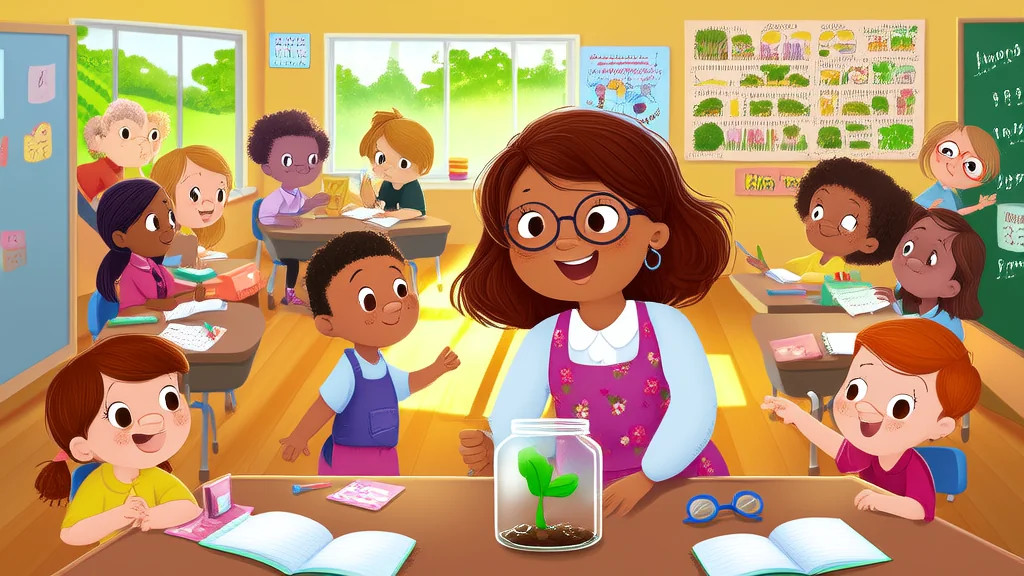
On a crisp autumn morning, Mrs. Thompson stood in front of her 5th-grade class, holding a small, delicate plant. The children's eyes were fixed on the plant, their curiosity piqued. "This is a bean sprout," she explained, "and just like this little plant, each one of you has the potential to grow and flourish. But, just as this plant needs the right conditions—sunlight, water, and care—you need the right support and guidance to reach your full potential."
Mrs. Thompson's words resonated with the class. She had always been known for her innovative teaching methods, and today was no different. She was about to embark on a journey with her students, exploring the key periods and methods for potential development. This story is not just about a single classroom; it's a reflection of the broader educational landscape, where every child's potential can be nurtured and realized with the right approach.
The Critical Windows of Development
Research in developmental psychology has identified several critical windows, or sensitive periods, during which certain skills and abilities are more easily acquired. These periods are characterized by heightened neural plasticity, making them ideal for learning and development. For example, the first few years of life are crucial for language acquisition. Children exposed to rich linguistic environments during this period are more likely to develop strong language skills. Similarly, the early elementary years are a critical window for developing foundational math and reading skills.
One of the most well-known theories in this area is the work of Jean Piaget, who proposed that children go through distinct stages of cognitive development. Each stage represents a unique way of understanding the world, and the transition between stages is marked by significant cognitive shifts. For instance, during the concrete operational stage (ages 7-11), children begin to think logically about concrete events. This is a prime time to introduce structured problem-solving and critical thinking exercises.
Neuroplasticity and Learning
Neuroplasticity, the brain's ability to form and reorganize synaptic connections, is at the heart of learning and development. During the critical windows, the brain is particularly receptive to new information and experiences. However, neuroplasticity is not limited to these periods. It continues throughout life, albeit at a reduced rate. This means that while early intervention is beneficial, it is never too late to foster growth and development.
Recent studies have shown that enriched environments, such as those with diverse stimuli and opportunities for exploration, can enhance neuroplasticity. For example, a study published in the journal Science found that children who engaged in regular physical activity and creative play showed increased neural connectivity in areas associated with executive function and memory. This underscores the importance of providing a holistic educational experience that includes both academic and non-academic activities.
Personalized Learning and Differentiation
Every child is unique, with their own strengths, weaknesses, and learning styles. Personalized learning, which tailors instruction to meet the individual needs of each student, is a powerful method for maximizing potential. This approach recognizes that not all children learn in the same way or at the same pace. By identifying and addressing the specific needs of each student, educators can create a more inclusive and effective learning environment.
Differentiated instruction, a key component of personalized learning, involves varying the content, process, and product of learning to accommodate different learners. For example, a teacher might provide visual aids for visual learners, hands-on activities for kinesthetic learners, and detailed explanations for auditory learners. This approach ensures that all students have the opportunity to engage with the material in a way that suits their learning style.
Social and Emotional Learning (SEL)
While academic skills are important, social and emotional learning (SEL) is equally crucial for a child's overall development. SEL focuses on the development of self-awareness, self-management, social awareness, relationship skills, and responsible decision-making. These competencies are essential for success in both academic and personal domains.
Research has shown that SEL programs can lead to improved academic performance, better behavior, and enhanced mental health. For example, a meta-analysis of 213 SEL programs found that participants demonstrated an 11% gain in academic achievement compared to control groups. Additionally, SEL fosters a positive school climate, which is conducive to learning and well-being. By integrating SEL into the curriculum, educators can help students develop the skills they need to thrive in all aspects of life.
Parental Involvement and Support
Parents play a vital role in their child's development. Research consistently shows that parental involvement is associated with better academic outcomes, higher self-esteem, and stronger social skills. Parents can support their child's development by creating a nurturing home environment, engaging in their child's education, and providing opportunities for enrichment and exploration.
For example, parents can read to their children regularly, engage in meaningful conversations, and encourage their children to pursue their interests. They can also stay involved in their child's school by attending parent-teacher conferences, volunteering, and participating in school activities. By working in partnership with educators, parents can create a supportive network that maximizes their child's potential.
Practical Applications for Educators
For educators, the key to unlocking potential lies in recognizing and leveraging the critical windows of development. Here are some practical strategies to implement in the classroom:
1. Tailor Instruction to Individual Needs: Use assessments to identify the strengths and weaknesses of each student. Provide differentiated instruction that caters to their learning styles and paces. For example, if a student struggles with reading, offer additional support through one-on-one tutoring or small group instruction.
2. Foster a Positive Learning Environment: Create a classroom culture that values and supports all students. Encourage collaboration, respect, and empathy. Implement SEL programs to help students develop social and emotional competencies. For instance, you can start each day with a brief mindfulness exercise to help students center themselves and prepare for learning.
3. Engage in Ongoing Professional Development: Stay informed about the latest research and best practices in education. Attend workshops, webinars, and conferences to expand your knowledge and skills. Collaborate with colleagues to share ideas and resources. For example, you can join a professional learning community (PLC) to discuss and implement new teaching strategies.
Practical Applications for Parents
Parents can also take steps to support their child's development. Here are some practical strategies to implement at home:
1. Create a Nurturing Home Environment: Establish routines and rituals that promote a sense of security and belonging. Provide a quiet, comfortable space for homework and study. Encourage open communication and active listening. For example, set aside a specific time each day to talk about your child's day and any challenges they may be facing.
2. Engage in Your Child's Education: Stay involved in your child's school by attending parent-teacher conferences, volunteering, and participating in school activities. Show interest in your child's academic progress and provide support when needed. For instance, you can help your child with homework, review their assignments, and celebrate their achievements.
3. Encourage Exploration and Enrichment: Expose your child to a variety of experiences and activities that align with their interests and passions. Visit museums, libraries, and cultural events. Encourage hobbies and extracurricular activities that promote creativity and skill development. For example, if your child is interested in art, enroll them in a local art class or visit an art museum together.
Conclusion
As Mrs. Thompson's class continued to explore the key periods and methods for potential development, the students began to see themselves as capable and resilient learners. They understood that with the right support and guidance, they could achieve their goals and dreams. This is the essence of education: to nurture the potential within each child and to provide the tools and resources they need to succeed.
By recognizing and leveraging the critical windows of development, fostering a positive learning environment, and engaging in ongoing professional development, educators can make a profound impact on their students' lives. Similarly, by creating a nurturing home environment, staying involved in their child's education, and encouraging exploration and enrichment, parents can play a vital role in their child's development. Together, we can unlock the full potential of every child and help them grow and flourish, just like the little bean sprout in Mrs. Thompson's classroom.