www.uitgedu.com | 自然英语拼读 | KET | PET | 英语点读学习资料
The Impact of Learning Environment on Child Development
November 27, 2025
A Day in the Life of a Classroom
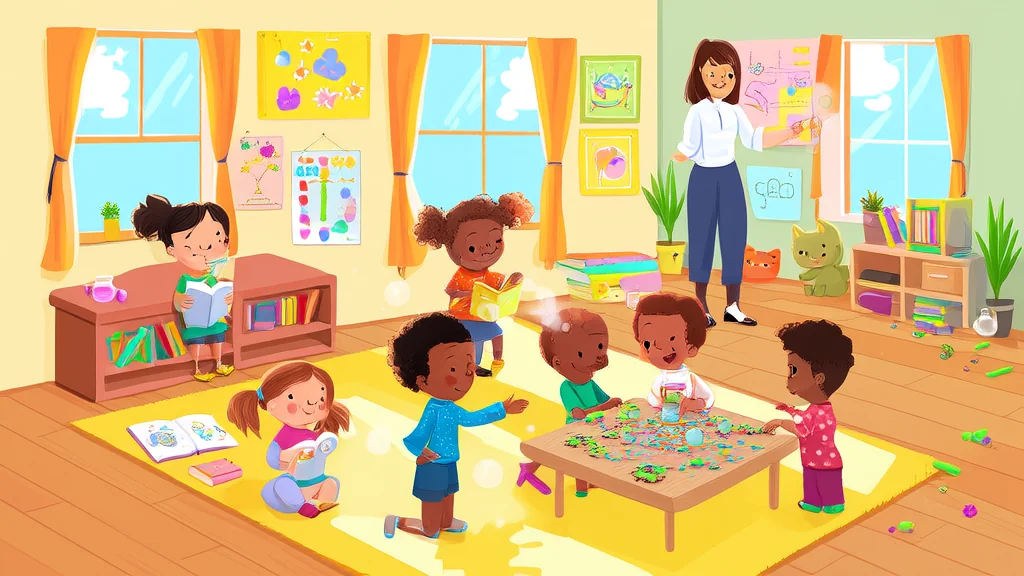
It was a crisp autumn morning when I first stepped into Ms. Thompson's fifth-grade classroom. The room was bathed in natural light, with vibrant posters and colorful artwork adorning the walls. The desks were arranged in a semi-circle, creating an inviting space for collaboration and discussion. As the students trickled in, their faces lit up with curiosity and excitement. One student, a quiet boy named Alex, caught my attention. He had always been reserved, but today, he seemed more engaged, more at ease. It was as if the environment itself was nurturing his confidence and curiosity.
Ms. Thompson began the day with a warm welcome and a brief mindfulness exercise. The students closed their eyes, took deep breaths, and settled into the moment. When they opened their eyes, the room was filled with a sense of calm and readiness. As the lesson unfolded, I noticed how the physical and emotional atmosphere of the classroom supported each child's unique learning journey. This experience left me pondering the profound impact that a well-crafted learning environment can have on a child's development.
The Power of Physical Space
The physical environment of a classroom is more than just a backdrop; it is a dynamic element that shapes the learning experience. Research has shown that factors such as lighting, color, and spatial arrangement can significantly influence a child's cognitive and emotional well-being. For instance, a study by the University of Salford found that well-designed classrooms can boost academic performance by up to 16%. Natural light, in particular, has been linked to improved mood, concentration, and overall health. In Ms. Thompson's classroom, the abundance of natural light created a warm and welcoming atmosphere, which undoubtedly contributed to the students' positive engagement.
Color also plays a crucial role in the learning environment. Bright, stimulating colors can energize and engage students, while softer, calming colors can help reduce stress and promote focus. In Ms. Thompson's classroom, the use of soothing blues and greens, combined with pops of vibrant yellows and oranges, struck a perfect balance. The colors not only enhanced the aesthetic appeal of the room but also supported the students' emotional and cognitive needs.
Spatial arrangement is another critical factor. Traditional rows of desks can create a sense of isolation and passivity, whereas flexible seating and collaborative spaces encourage interaction and active learning. In Ms. Thompson's classroom, the semi-circular arrangement of desks fostered a sense of community and inclusivity. Students could easily see and interact with one another, promoting a more engaging and participatory learning experience.
The Role of Emotional Climate
Beyond the physical space, the emotional climate of a classroom is equally important. A supportive and inclusive environment can have a transformative effect on a child's development. Teachers who create a positive emotional climate, characterized by warmth, respect, and empathy, help students feel safe and valued. This, in turn, fosters a sense of belonging and encourages risk-taking and creativity.
In Ms. Thompson's classroom, the mindfulness exercise at the beginning of the day set a tone of calm and focus. This simple practice helped students manage their emotions and transition into a state of readiness for learning. Moreover, Ms. Thompson's approach to teaching was rooted in a deep understanding of her students' individual needs and strengths. She provided personalized feedback, celebrated their achievements, and offered support when they faced challenges. This nurturing environment allowed students like Alex to thrive, building their confidence and resilience.
Research supports the importance of a positive emotional climate. A study published in the Journal of Educational Psychology found that students in classrooms with a positive emotional climate exhibited higher levels of academic achievement, social competence, and emotional well-being. The emotional climate of a classroom can be shaped through various strategies, such as establishing clear and consistent routines, fostering a sense of community, and providing opportunities for student voice and choice.
The Influence of Technology and Resources
In today's digital age, technology and resources play a significant role in shaping the learning environment. Access to modern tools and resources can enhance the learning experience, making it more interactive, engaging, and relevant. However, it is essential to strike a balance between the use of technology and traditional methods to ensure that students develop a well-rounded set of skills.
In Ms. Thompson's classroom, technology was used thoughtfully and purposefully. Each student had access to a tablet, which they used for research, collaboration, and creative projects. The integration of technology allowed for a more personalized and differentiated learning experience, catering to the diverse needs and interests of the students. For example, Alex, who was particularly interested in science, used the tablet to explore virtual labs and simulations, deepening his understanding of complex concepts.
However, Ms. Thompson also recognized the importance of hands-on, experiential learning. The classroom was equipped with a variety of materials, from art supplies to science kits, allowing students to engage in tactile and kinesthetic activities. This balanced approach ensured that students developed both digital literacy and practical, real-world skills. Research has shown that a blended learning environment, combining the best of traditional and digital methods, can lead to improved academic outcomes and a more holistic educational experience.
Practical Applications for Parents and Educators
Creating a supportive and enriching learning environment is a shared responsibility among parents, educators, and the broader community. Here are some practical steps that can be taken to enhance the learning environment for children:
For Educators:
1. **Optimize the Physical Space:** Ensure that the classroom is well-lit, organized, and visually appealing. Use colors and arrangements that promote a positive and engaging atmosphere. 2. **Foster a Positive Emotional Climate:** Establish a culture of respect, empathy, and inclusivity. Provide opportunities for students to share their thoughts and feelings, and celebrate their achievements. 3. **Integrate Technology Thoughtfully:** Use technology to enhance, not replace, traditional learning methods. Ensure that students have access to a variety of tools and resources that support their individual needs and interests. 4. **Promote Hands-On Learning:** Incorporate hands-on, experiential activities that allow students to engage in tactile and kinesthetic learning. This can include art projects, science experiments, and collaborative problem-solving tasks.
For Parents:
1. **Create a Dedicated Learning Space at Home:** Set up a comfortable and well-organized space for your child to study and complete homework. Ensure that the area is free from distractions and has adequate lighting. 2. **Support Emotional Well-Being:** Encourage open communication and provide a safe and supportive environment for your child to express their thoughts and feelings. Celebrate their successes and offer guidance and support during challenging times. 3. **Engage in Learning Activities Together:** Participate in educational activities with your child, such as reading, experimenting, and exploring new topics. This not only reinforces their learning but also strengthens the parent-child bond. 4. **Stay Informed and Involved:** Stay connected with your child's teachers and school community. Attend parent-teacher conferences, volunteer, and participate in school events. Your involvement can make a significant difference in your child's educational experience.
Conclusion
The learning environment is a powerful and multifaceted tool that can profoundly impact a child's development. From the physical space to the emotional climate, every aspect of the environment plays a role in shaping a child's cognitive, emotional, and social growth. As we saw in Ms. Thompson's classroom, a well-crafted learning environment can transform a child's experience, fostering confidence, creativity, and a love for learning.
By taking intentional steps to create and maintain a supportive and enriching learning environment, parents and educators can make a lasting difference in the lives of children. Whether it's optimizing the physical space, fostering a positive emotional climate, or integrating technology and hands-on learning, every effort counts. Together, we can create the conditions for our children to thrive and reach their full potential.